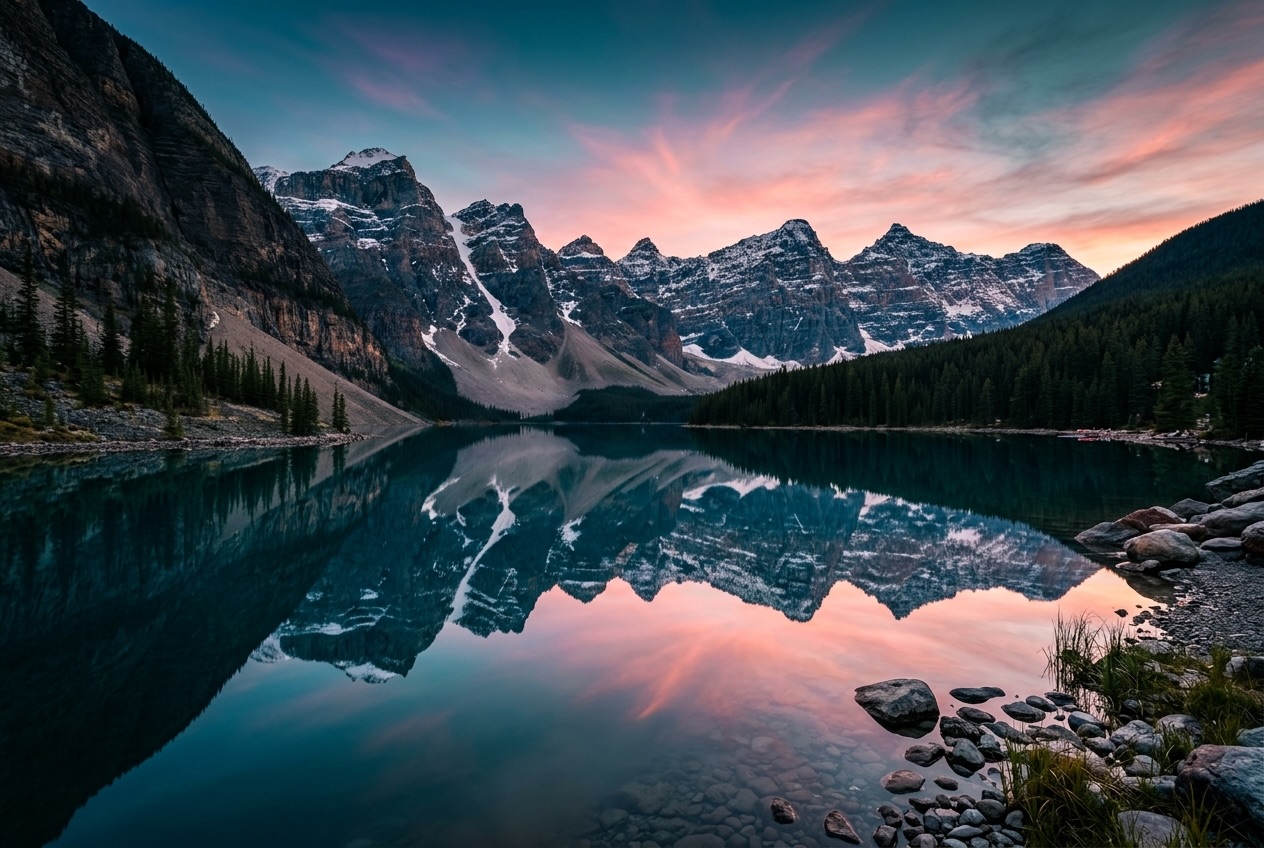
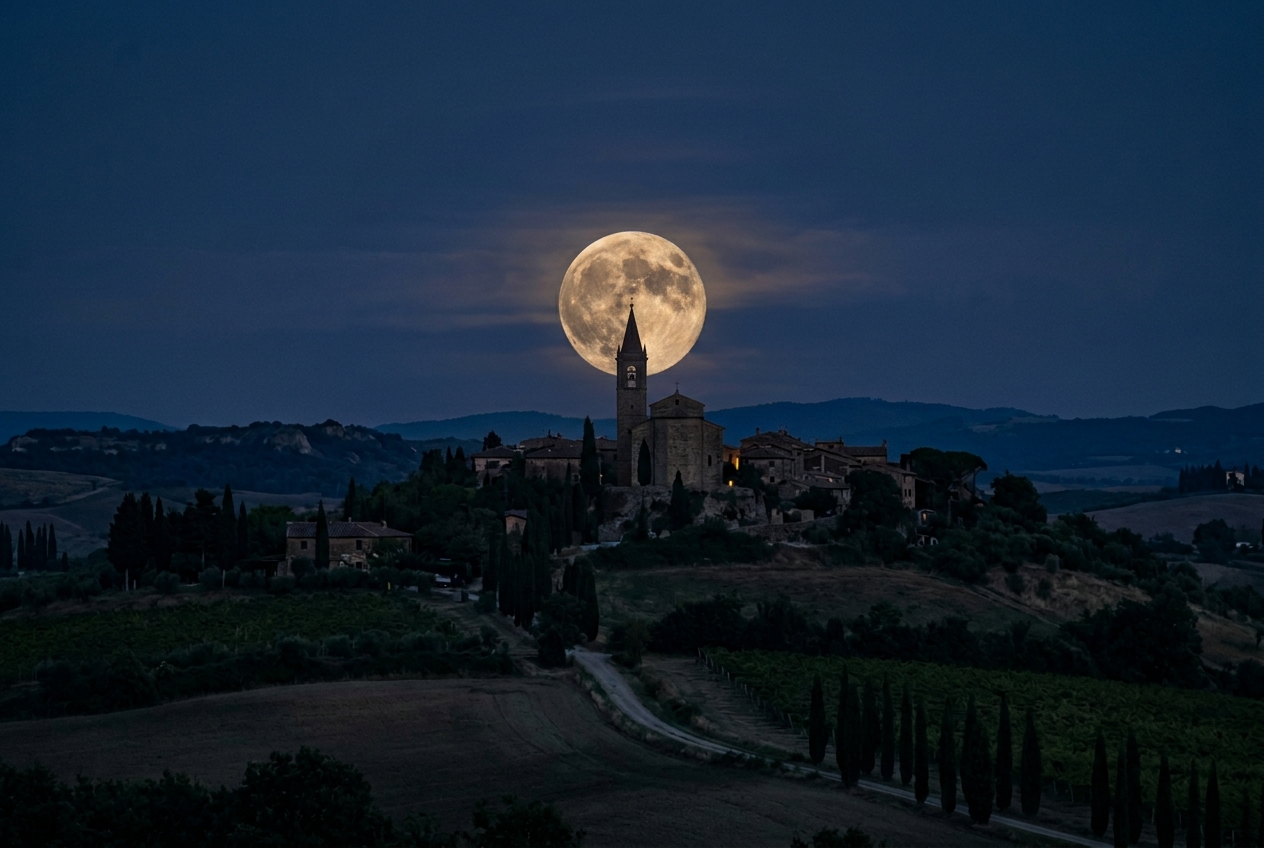
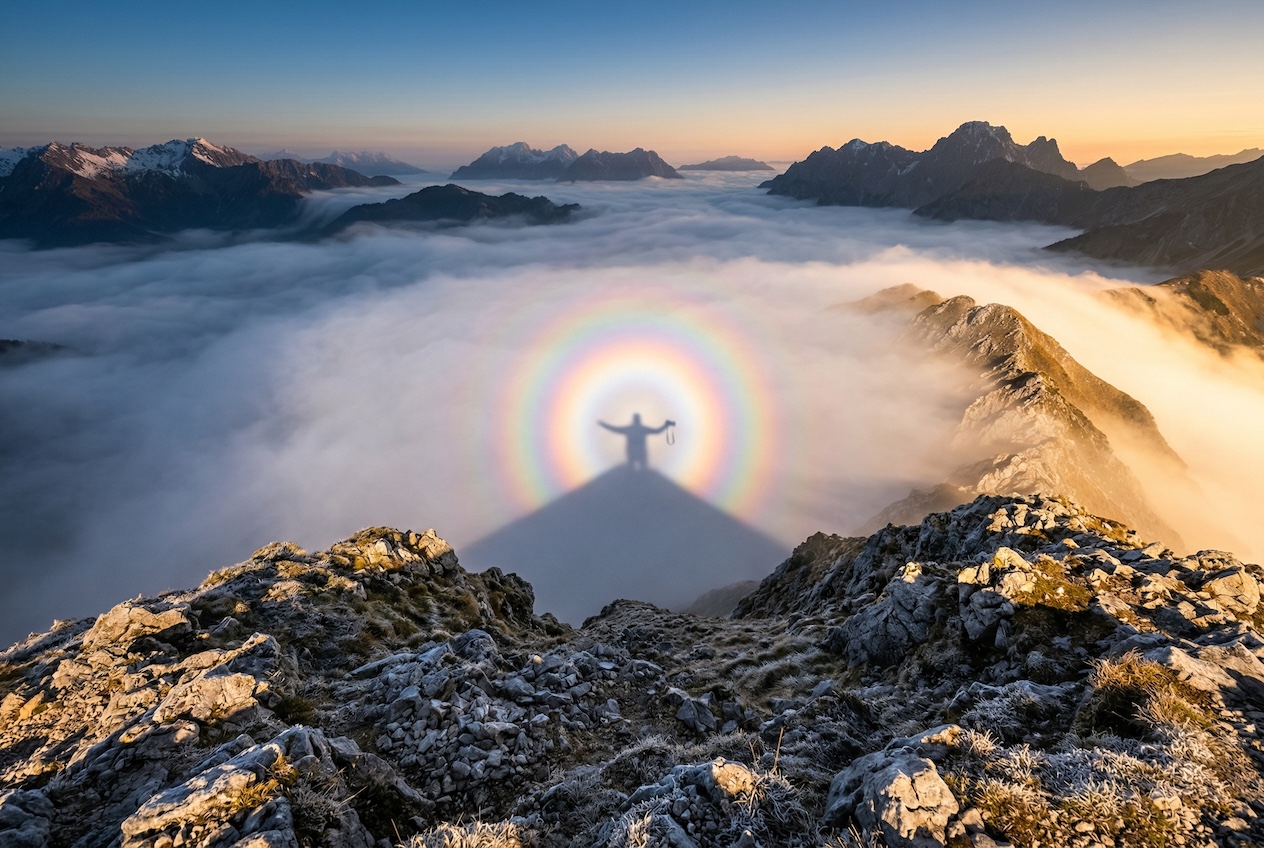
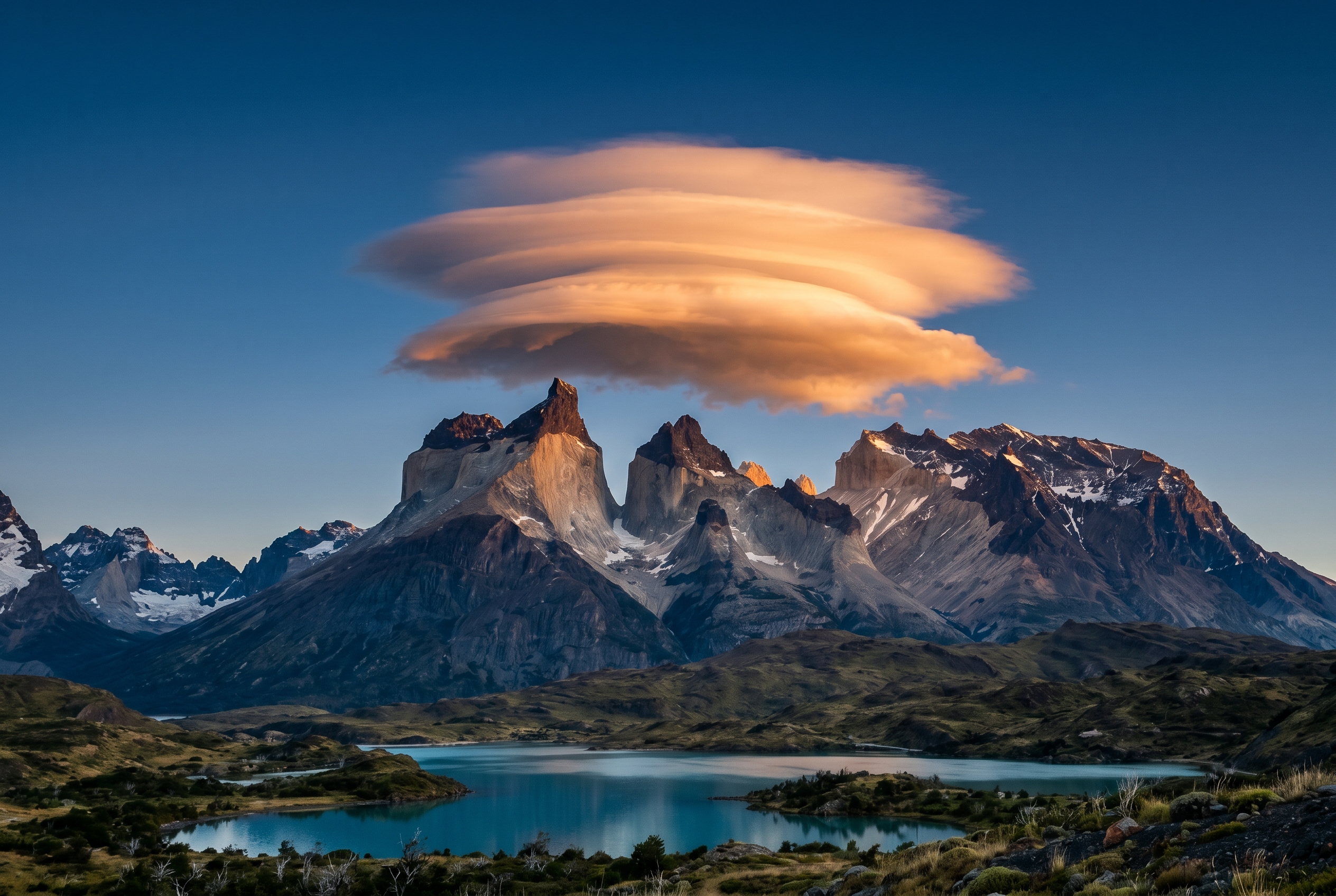
14 Conditions.
One App That Sees Them Coming.

Inverza analyses weather data, astronomy, terrain, and air quality to detect rare photography moments — hours or days before they happen. Here's every condition the app watches for, and how to make the most of it.

Colorful Dawn Afterglow Sunset Golden Clouds Ground Fog Valley Mist Hoarfrost Fresh Snow Dramatic Storms Belt of Venus Aurora Borealis Milky Way Soft Light Reflecting Waters Full Moon Silhouette
Colorful Dawn

Colorful Dawn

German: Morgenröte

The 20–40 minutes before sunrise can produce the most vivid skies of the day. When high-altitude cirrus and altocumulus clouds sit above a clear horizon, the sun — still below the horizon — lights them from below, painting intense reds, oranges, and magentas across the sky.

Inverza detects this by analysing the interplay of high cloud cover (the canvas), low cloud cover (which must be minimal so sunlight can reach the high clouds), humidity, and weather codes. When directional cloud data is available, it also checks whether the horizon toward the sunrise is clear — a wall of low cloud in that direction kills the colour even if the sky overhead looks perfect.

📷 Tip: Be in position well before the predicted time — the best colour is fleeting and often peaks earlier than expected. Face east with a wide-angle lens, or isolate cloud patterns with a telephoto.
Afterglow Sunset

Afterglow Sunset

German: Abendrot / Nachglühen

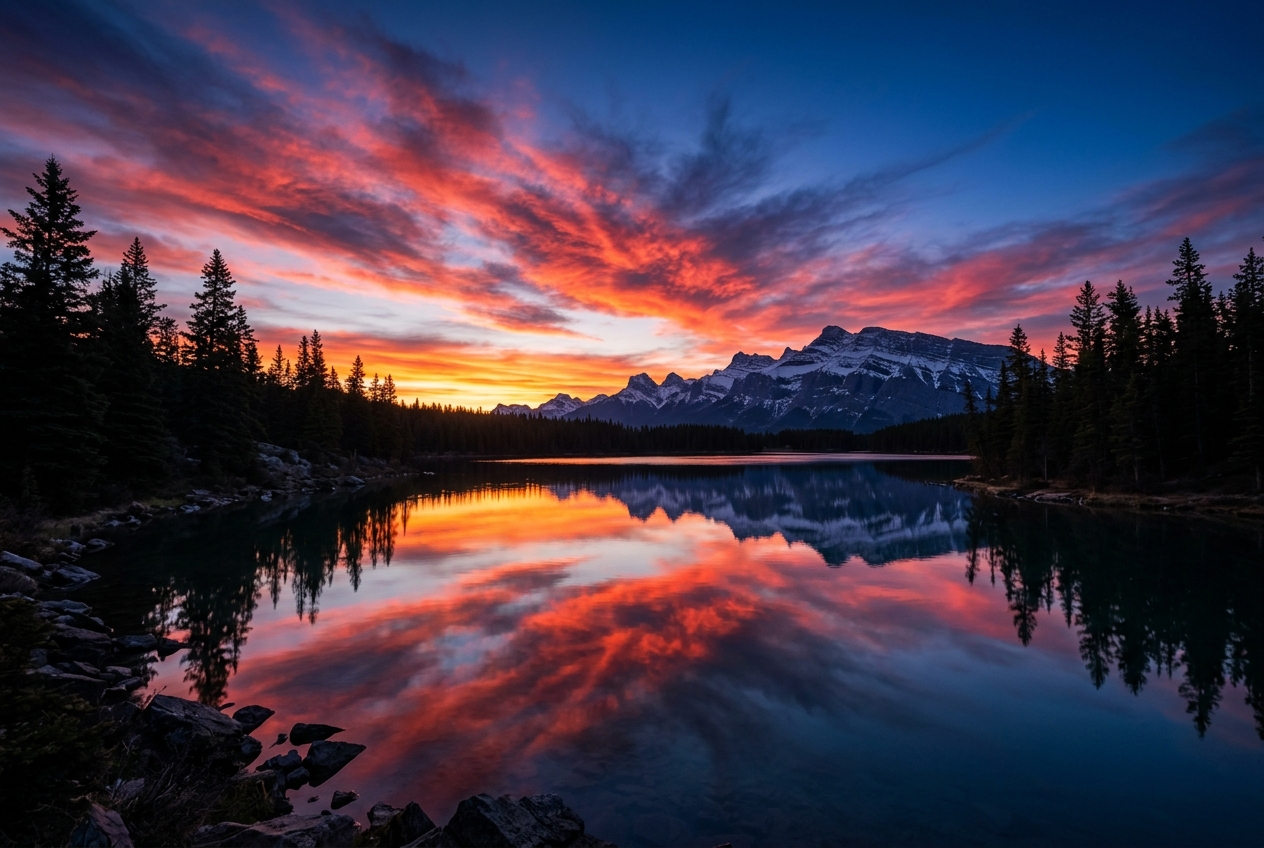
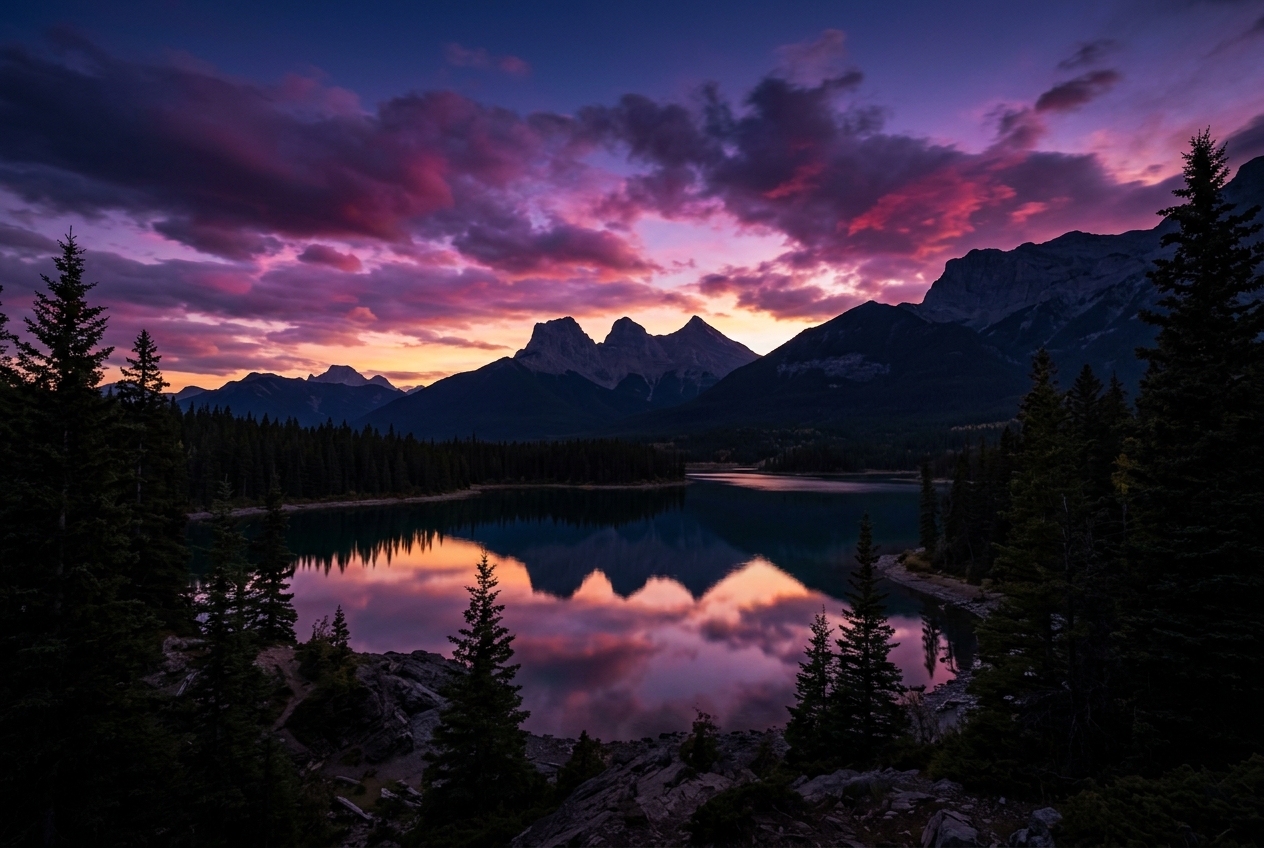
Many photographers pack up right after sunset — and miss the best part. The afterglow happens 10–25 minutes after the sun dips below the horizon, when high clouds continue to catch warm light from below. The colours can be even more intense than the sunset itself, shifting from gold through pink to deep purple.

The detection mirrors Colorful Dawn but in reverse: Inverza checks for high cloud coverage, a clear horizon toward the sunset direction, low humidity, and dry weather. The condition uses the sun's geometric position (not terrain-adjusted), because atmospheric colour depends on the sun's angle relative to the true horizon, not local mountains.

📷 Tip: Don't leave after sunset. Watch the sky for 20 more minutes. The afterglow often peaks when most people have already gone. Silhouettes against the glowing sky work beautifully.
Golden Clouds

Golden Clouds

German: Goldene Wolken

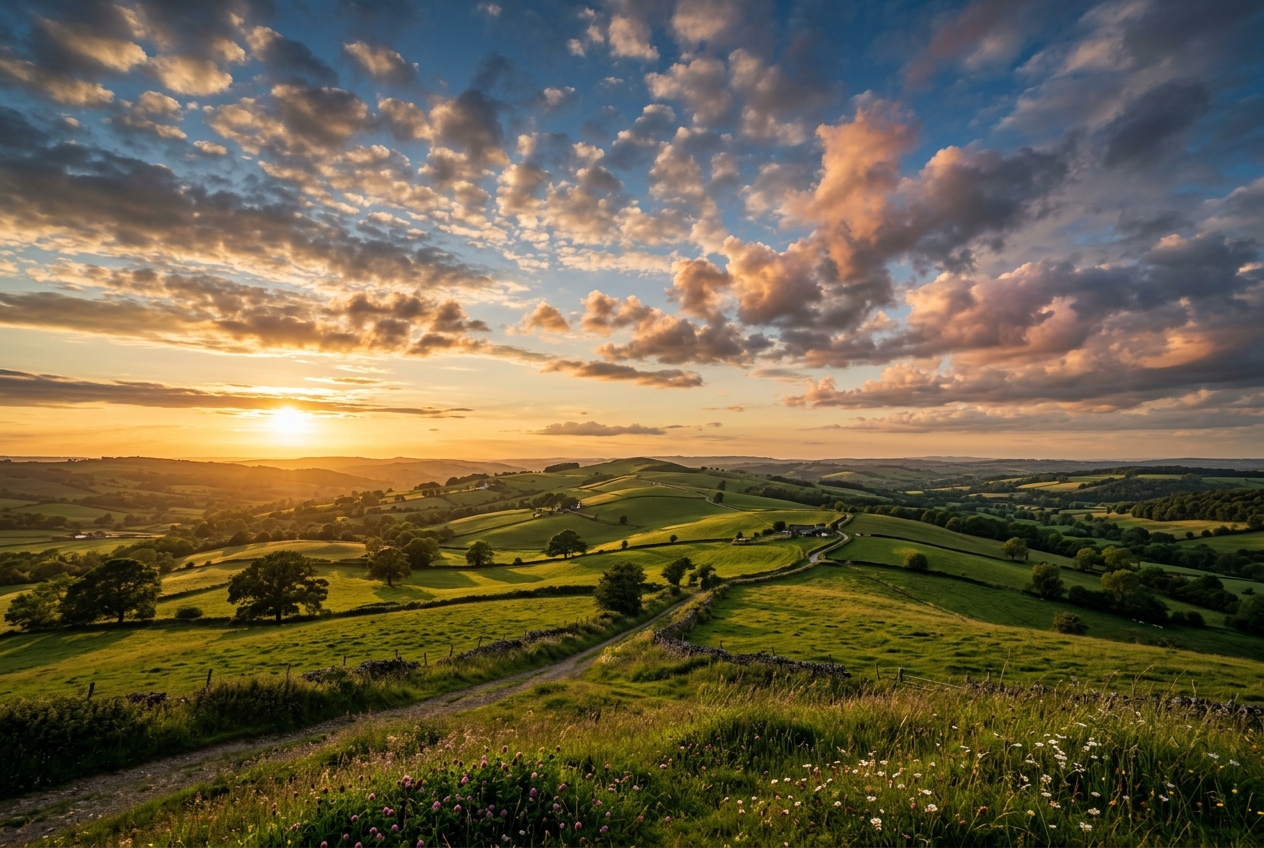
Partial cloud cover during golden hour creates one of the most universally photogenic conditions. When 20–70% of the sky is covered by mid-level clouds, the low-angle sunlight catches their edges and underbellies, turning them golden. Too few clouds means a plain sky; too many blocks the sun entirely.

Inverza scores the sweet spot of cloud coverage, checks for adequate visibility, and factors in wind speed (gentle wind creates more textured, dynamic cloud formations). Mid-level clouds get a scoring bonus since they catch golden light best.

📷 Tip: The golden hour window is short. Shoot within 30 minutes of sunrise or sunset. Use the clouds as a compositional element — they add drama to any landscape.
Ground Fog

Ground Fog

German: Bodennebel

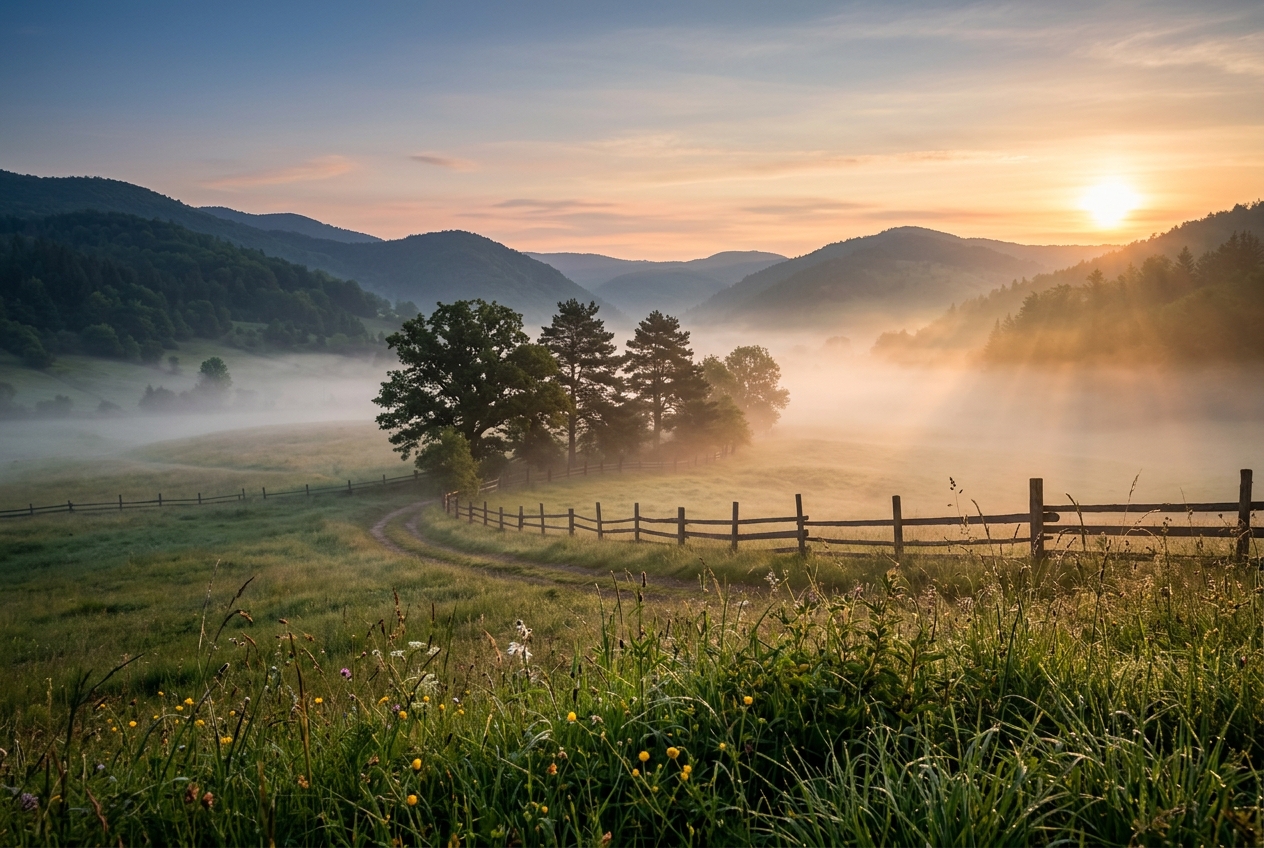
Ground fog creates an ethereal, otherworldly atmosphere — a thin blanket hugging the surface while everything above stays clear. It forms when humidity is very high (90%+), wind is nearly calm, and the air temperature drops close to the dew point. These conditions are most common in autumn and early winter during the pre-dawn hours.

Inverza watches for the triple convergence of high humidity, low wind speed, and a minimal temperature–dew point gap. Calmer winds and tighter temperature gaps score higher, as they indicate denser, more stable fog formation.

📷 Tip: Get to an elevated viewpoint to shoot down into the fog. Trees and buildings poking through the fog layer create a mystical "floating" effect. Combine with sunrise for warm light filtering through the mist.
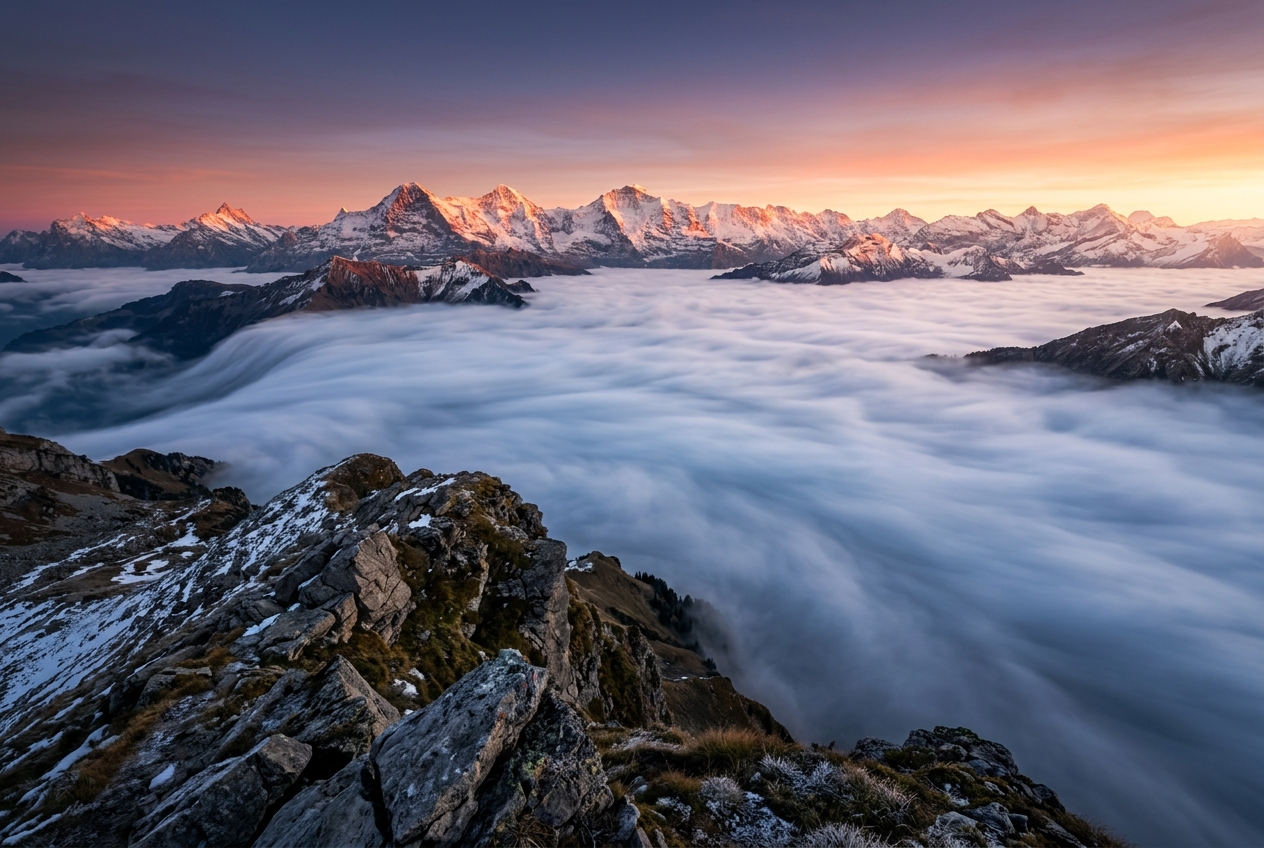
Valley Mist

Valley Mist

German: Talnebel — Inverza's Namesake

Valley mist — the condition that inspired Inverza's name — creates a sea of clouds filling valleys while mountain ridges rise above like islands. It happens when cold, humid air pools in valleys overnight due to temperature inversions: the air at lower elevations is colder and more humid than the air above, trapping moisture in a dense, photogenic layer.

The detector evaluates humidity (85%+), calm winds (below 5 km/h), and temperature inversion strength between valley floor and ridge. A stronger inversion means the fog layer stays more distinct and photogenic.

📷 Tip: Hike to a ridge or summit before sunrise. The combination of valley mist with the warm light of dawn is one of the most rewarding scenes in landscape photography. This is why we built Inverza.
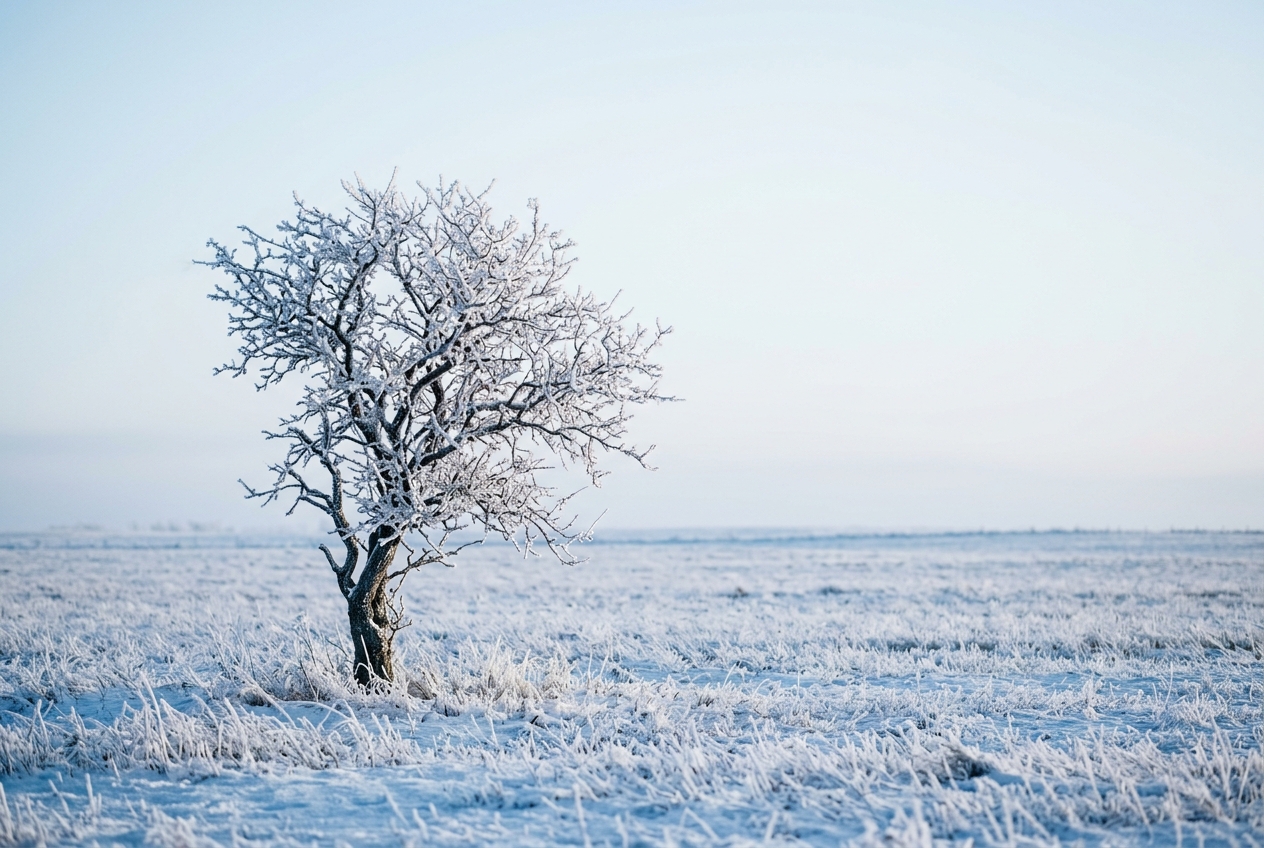
Hoarfrost

Hoarfrost

German: Raureif

Hoarfrost coats every surface — branches, fences, grass blades — in intricate white ice crystals. It forms when temperatures are below freezing, humidity is high, and wind is light enough that the delicate crystals aren't blown away. Colder temperatures (below −5°C) produce thicker, more dramatic frosting.

Inverza checks temperature, humidity, and wind speed, weighting colder temperatures and higher humidity more heavily. The condition targets the early morning hours before the sun melts the frost.

📷 Tip: Shoot at first light, before the sun reaches your subject. Backlighting through frosted branches creates a magical glow. Macro lenses reveal incredible crystal structures.
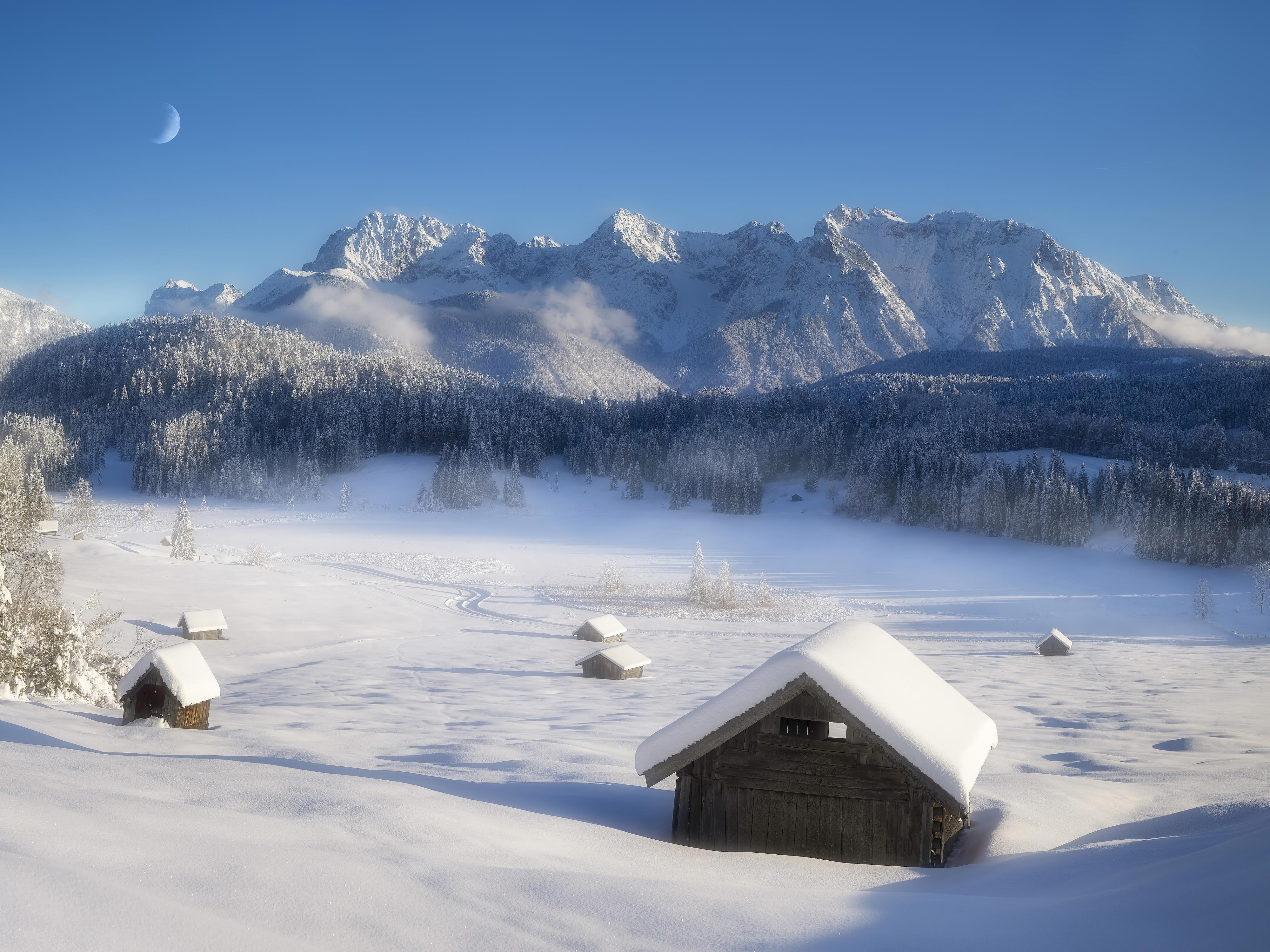
Fresh Snow & Clear Sky

Fresh Snow & Clear Sky

German: Neuschnee & klarer Himmel

Few things in landscape photography rival the pristine beauty of fresh, untouched snow under a clear blue sky. The contrast between brilliant white and deep blue creates maximum visual impact. Inverza triggers this condition when recent snowfall (at least 2 cm in the past 12 hours) coincides with clearing skies (below 20% cloud cover) and cold enough temperatures to prevent melting.

Snow depth, cloud cover, and temperature are weighted together — heavier snowfall, clearer skies, and colder temperatures all increase confidence.

📷 Tip: Go early — footprints and tracks ruin the pristine look. Watch your exposure: snow fools meters into underexposing. Dial in +1 to +1.5 EV compensation, and check your histogram.
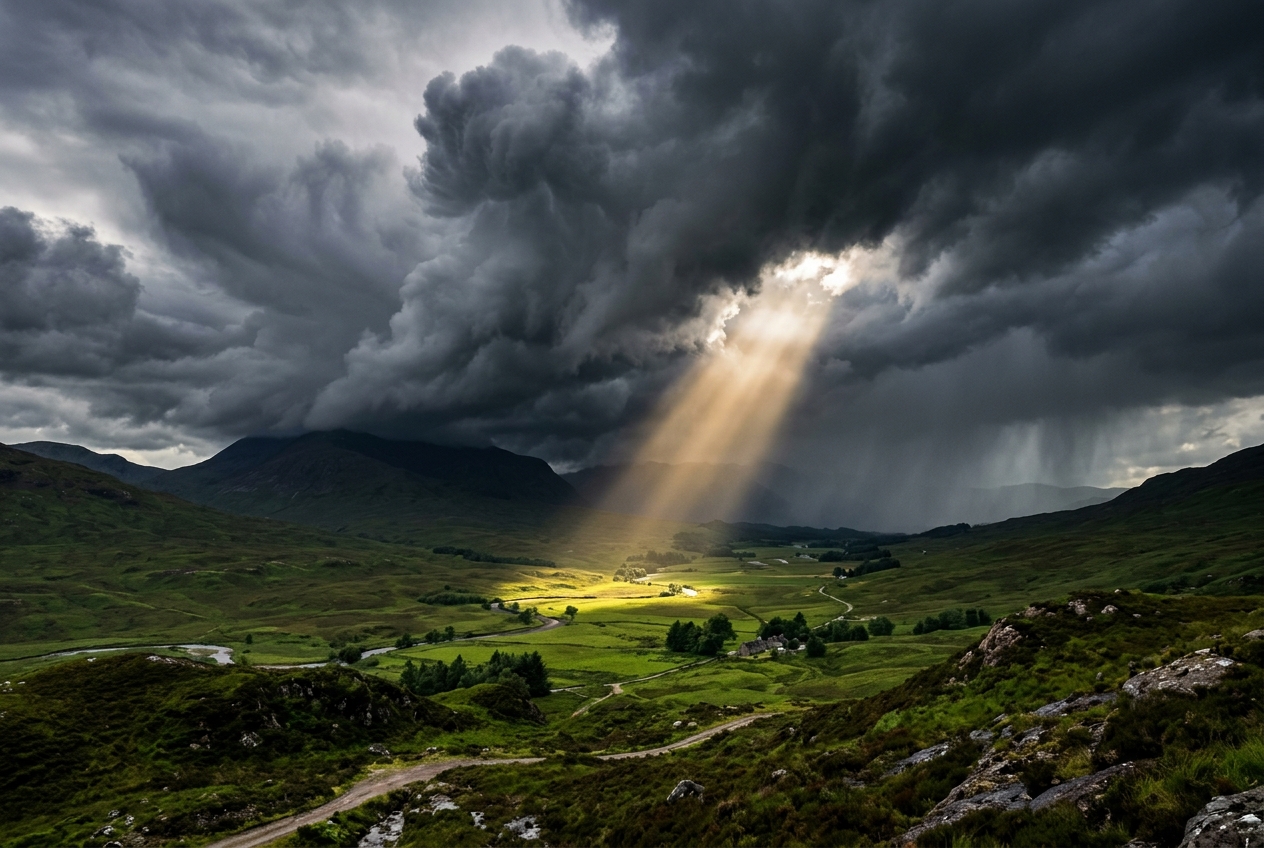
Dramatic Storm Clouds

Dramatic Storm Clouds

German: Dramatische Gewitterwolken

The edge of a storm — where heavy clouds meet breaks of light — produces some of the most dramatic landscape photographs possible. Crepuscular rays (god rays) punching through gaps, dark anvil clouds towering above sunlit valleys, and the raw energy of weather in motion.

Inverza looks for high cloud cover (60–95%) combined with strong winds (20+ km/h) and gaps in the coverage. Full overcast scores lower because it lacks the contrast and light breaks that make storm images compelling. Wind provides movement and texture in the clouds.

📷 Tip: Look for where light breaks through the clouds. Position yourself so the light falls on an interesting foreground. Storm conditions change fast — shoot continuously and be ready for fleeting moments.
Belt of Venus

Belt of Venus

German: Venusgürtel

The Belt of Venus (or anti-twilight arch) is a subtle but stunning phenomenon visible in the sky opposite the sun during the minutes just before sunrise or just after sunset. It appears as a pink-to-purple band sitting above the dark blue-grey shadow of the Earth itself. Most people never notice it because they're looking toward the sun — not away from it.

This requires an almost perfectly clear sky: total cloud cover below 10%, low cloud below 5%. Even thin haze can wash out the delicate colour gradient. Inverza checks both the dawn and dusk windows (about 20 minutes each) and picks the better opportunity. Low humidity and excellent visibility score higher.

📷 Tip: Turn your back to the sunrise or sunset. Look for the dark band of Earth's shadow near the horizon with the pink arch above it. A telephoto lens (70–200mm) helps isolate the gradient. You need an unobstructed horizon in the anti-sun direction.
Aurora Borealis

Aurora Borealis

German: Nordlicht / Polarlicht

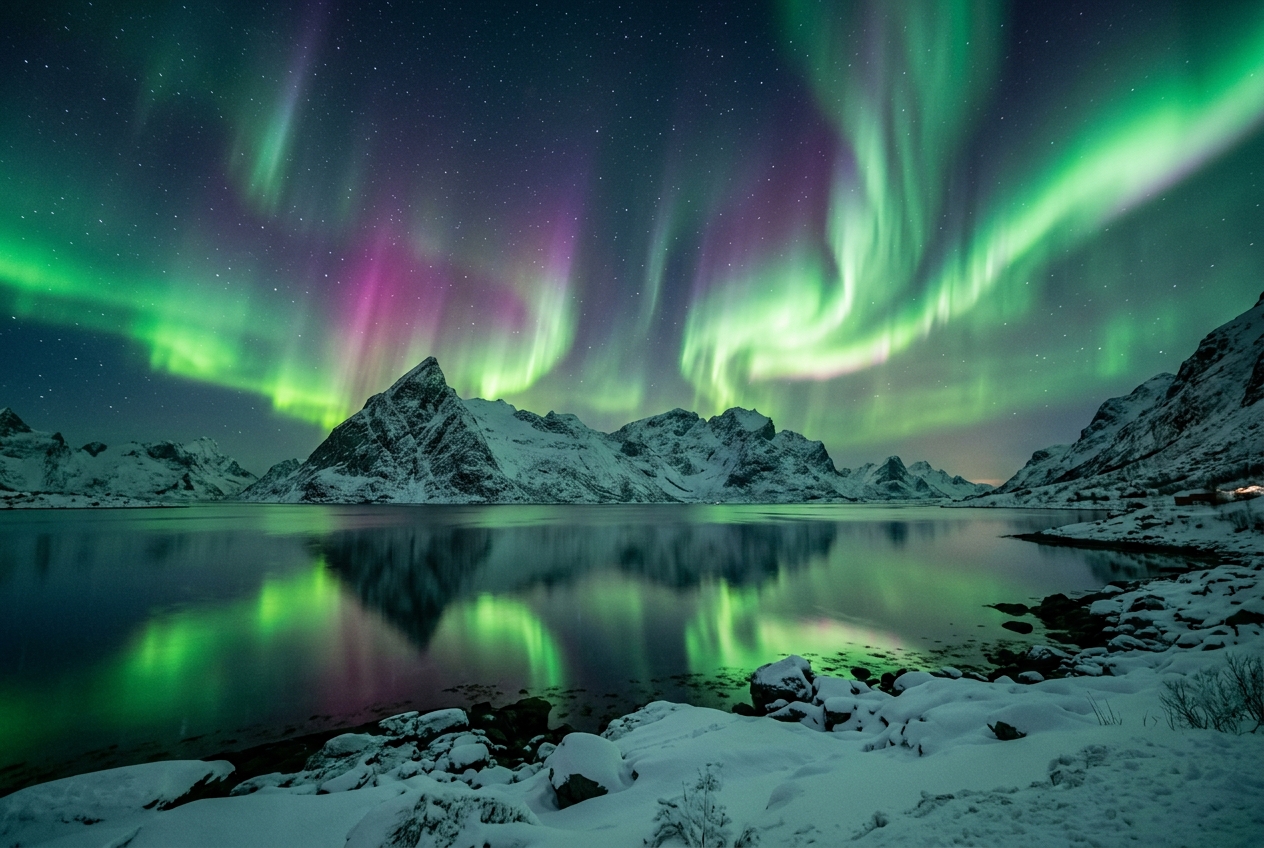
The northern lights are among the most spectacular natural phenomena a photographer can capture. They occur when charged particles from the sun interact with Earth's magnetic field and atmosphere, creating curtains and waves of green, purple, and pink light dancing across the sky.

Inverza uses the Kp geomagnetic index (adjusted for your latitude — higher latitudes need lower Kp values), cloud cover (must be below 30%), and darkness level (sun must be at least 12° below the horizon). At mid-latitudes, you need a strong geomagnetic storm (Kp 5+) to see aurora; near the Arctic Circle, Kp 2 can be enough.

📷 Tip: Use a fast wide-angle lens (f/2 or faster), ISO 1600–3200, and 8–25 second exposures. A sturdy tripod is essential. Face north (or follow the predicted direction) and find a composition with a foreground element — water reflections work beautifully.
Milky Way

Milky Way

German: Milchstraße

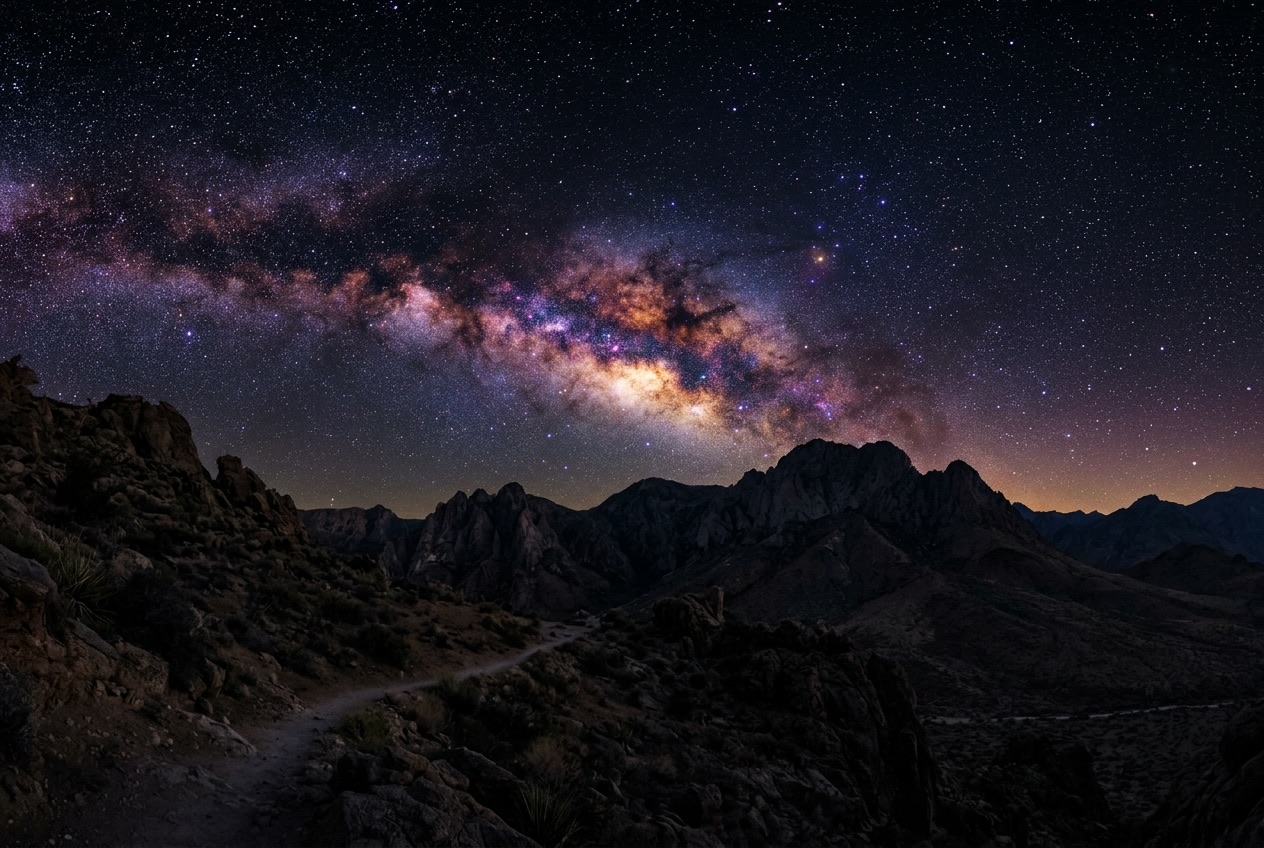
Photographing the galactic core of the Milky Way requires a specific combination of astronomical and meteorological conditions: the sun must be deep below the horizon (astronomical twilight, below −18°), the moon must be absent or very dim (below 10% illumination is excellent, below 30% acceptable), and the sky must be nearly cloudless (below 15% cover).

Inverza also checks that the galactic centre is at least 10° above the horizon — below that altitude, atmospheric extinction makes the core too dim to photograph effectively. The scoring weighs galactic altitude, sky darkness, moon interference, and cloud cover.

📷 Tip: Face south for the galactic core. Use a fast wide-angle lens at f/2 or wider, ISO 1600–3200, 15–25 seconds. Get far from city lights — the Bortle scale matters enormously. Use the 500-rule (500 ÷ focal length = max seconds before star trails).
Soft Light

Soft Light

German: Weiches Licht

When elevated particles — Sahara dust carried to Europe, wildfire haze, or urban aerosols — fill the atmosphere, they scatter and diffuse direct sunlight during golden hour. Instead of the harsh, contrasty light of a clear day, the sun produces a warm, dreamy glow that wraps around subjects and softens shadows. Photographers who chase this light know it produces some of the most flattering landscape and portrait conditions imaginable.

Inverza monitors Aerosol Optical Depth (AOD) as the primary signal, sourced from the Open-Meteo Air Quality API. The sweet spot is AOD 0.35–0.75: enough particles to noticeably soften the light, but not so many that the sun turns grey and murky. PM10 and mineral dust concentration provide supporting signals — high dust confirms a Sahara-type event. This condition uses terrain-adjusted sunrise/sunset because direct illumination must actually reach the landscape.

📷 Tip: Particles in the air soften and warm direct sunlight at golden hour. Shoot any subject that benefits from soft, warm light — landscapes, portraits, architecture. The diffusion reduces harsh highlights and shadow contrast naturally.
Reflecting Waters

Reflecting Waters

German: Spiegelnde Gewässer

Perfect mirror reflections on water require one thing above all: dead calm. When wind speed and gusts both stay at 0–1 km/h for hours on end, even large lakes settle into glass-like surfaces that double the scene. Small ponds calm in 15–30 minutes, but medium and large lakes need hours of sustained calm before all ripples decay.

Inverza scans two 12-hour windows (daytime 8 AM–8 PM and nighttime 8 PM–8 AM) and finds the longest consecutive run of calm hours. A 4-hour minimum triggers detection, with higher scores for longer calm periods — 6 hours settles medium lakes, 8 hours brings large lakes to a mirror, and 10+ hours of consecutive calm is an exceptional and rare event. The predicted time is pinned to the single calmest hour within the best window.

📷 Tip: Find any body of water — lakes, ponds, rivers. Perfect mirror conditions are rare. Combine with golden hour or blue hour for maximum impact. A polarising filter can either enhance or reduce the reflection depending on angle — experiment.
Full Moon Silhouette

Full Moon Silhouette

German: Vollmond-Silhouette

When a full (or near-full) moon rises or sets right at the horizon while the sky is already dark, the enormous moon disk becomes a natural backdrop for silhouettes. Photographers position themselves far from a well-known landmark — a church spire, a lone tree, a person on a ridge — so that a telephoto lens compresses the subject against the moon. The result: a tiny, sharp silhouette framed inside the massive glowing circle.

Inverza checks moon illumination (≥85%, covering the full moon ±2 nights), confirms the sun is at least 4° below the horizon (blue hour or darker), and verifies the horizon is clear of cloud cover. The condition fires at the exact moment of moonrise or moonset — whichever scores higher — and includes the precise compass direction so you know where to position yourself. This uses terrain-adjusted times because you need to know when the moon physically clears the terrain at your location.

📷 Tip: Distance is everything. Stand far from your subject (1–3 km) and use a long telephoto (200–600mm). The farther you are, the larger the moon appears relative to the silhouette. Use apps like Inverza's map with moonrise direction lines to plan your exact position.

Inverza watches the sky so you can focus on the shot. Every condition above is detected automatically — you just set your location and get notified when something special is coming.

Download Inverza