Cloud Inversion

German: Wolkeninversion - Inverza's Namesake

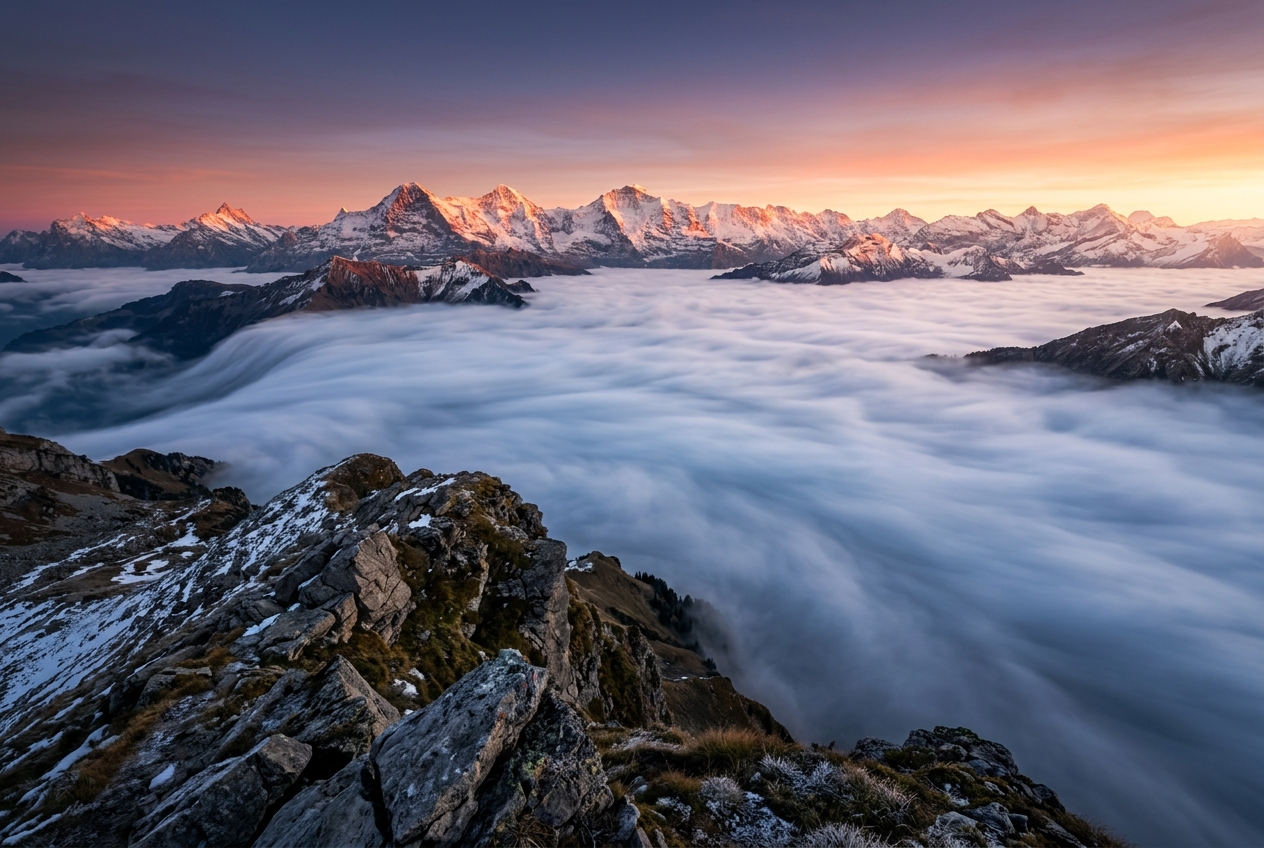
A sea of clouds filling valleys while mountain ridges rise above like islands. The namesake condition of the app.

Cloud Inversion - photography example

Cloud inversion - the condition that inspired Inverza's name - creates a sea of clouds filling valleys while mountain ridges rise above like islands. It happens when cold, humid air pools in valleys overnight under a temperature inversion: the air at lower elevations is colder and more humid than the air above, trapping moisture in a dense, photogenic layer.

The detector evaluates humidity (85%+), calm winds (below 5 km/h), and temperature inversion strength between valley floor and ridge. A stronger inversion means the cloud layer stays more distinct and photogenic.

Tip: Hike to a ridge or summit before sunrise. The combination of a cloud inversion with the warm light of dawn is one of the most rewarding scenes in landscape photography. This is why we built Inverza.

Frequently asked

What causes a cloud inversion?

A temperature inversion where cold humid air is trapped below warmer air above. Valleys fill with cloud while ridges stay clear, creating the characteristic 'islands in a sea of clouds' look.

When are cloud inversions most common?

Clear calm nights in autumn and winter, especially after wet weather. The condition typically peaks in the hour before and after sunrise before the sun burns off the layer.

Inverza detects every condition above automatically. Set your location and get notified when something special is coming.

Download on the App Store