Belt of Venus

German: Venusgürtel

A pink-to-purple arch above Earth's own shadow, visible opposite the sun at twilight.

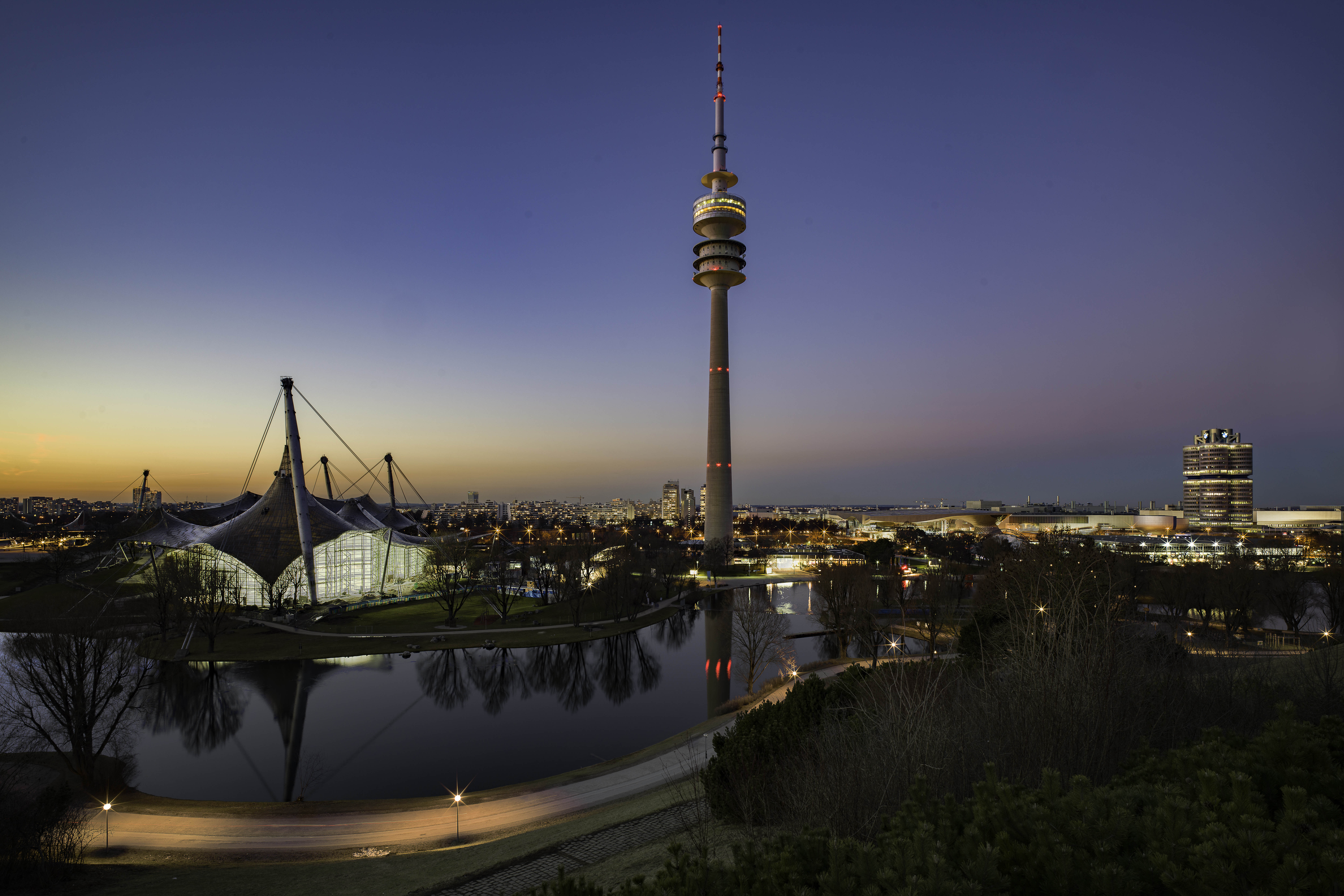
Belt of Venus - photography example

The Belt of Venus (or anti-twilight arch) is a subtle but stunning phenomenon visible in the sky opposite the sun during the minutes just before sunrise or just after sunset. It appears as a pink-to-purple band sitting above the dark blue-grey shadow of the Earth itself. Most people never notice it because they're looking toward the sun - not away from it.

This requires an almost perfectly clear sky at every level: total cloud under 8%, and barely a trace of low, mid, or high cloud. Even residual cirrus after a storm, or thin haze, washes out the delicate color gradient, so Inverza scores the clearest layer strictly and won't surface this on a partly cloudy sky. It checks both the dawn and dusk windows (about 20 minutes each) and picks the better opportunity. Low humidity and excellent visibility score higher.

Tip: Turn your back to the sunrise or sunset. Look for the dark band of Earth's shadow near the horizon with the pink arch above it. A telephoto lens (70-200mm) helps isolate the gradient. You need an unobstructed horizon in the anti-sun direction.

Frequently asked

Where do I look for the Belt of Venus?

Opposite the sun. At sunset, turn east; at sunrise, turn west. The dark band is Earth's shadow; the pink arch above it is the Belt of Venus.

What weather do I need?

A nearly cloudless sky at every level (total under 8%, only a trace of low, mid, or high cloud), low humidity, and excellent visibility. Even residual cirrus or thin haze washes out the gradient.

Inverza detects every condition above automatically. Set your location and get notified when something special is coming.

Download on the App Store